

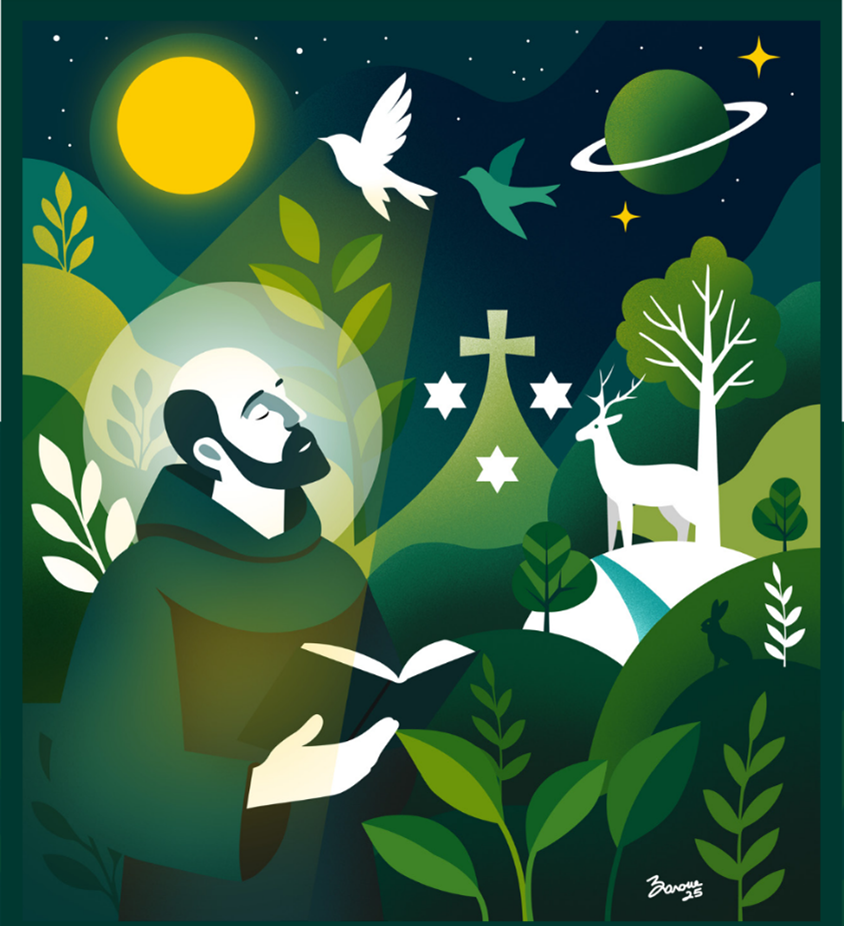
St. John of the Cross was born in June 24, 1542, in Fontiveros, Spain. He was one of the greatest Christian mystics and Spanish poets.
St. Teresa of Avila, a 16th century Spanish and Carmelite mystic and reformer established the Discalced Carmelites in order to return the Order to its original austerity. In need of a counterpart to also carry out a reform among the male communities of the Carmelites, she found in St. John of the Cross nothing short of a God -send.
He died on December 14, 1591 in Ubeda. Pope Benedict XIII canonized him in 1726
and in 1926 Pope Pius XI declared him a Doctor of the Church, a title granted to saints whose life, teachings and writings are of particular importance. He is the Patron saint of mystics, contemplatives and of Spanish poets.
Family:
Gonzalo de Yepes 111 having been left an orphan, lived and was brought up in one of his relatives’ houses. He was like a manager, administrator or accountant of a good silk business that his relatives had in Toledo. Frequently, he had to travel for business purposes to the markets.
In one of his trips he met Catalina, a young orphan girl who worked for a woman who was in the silk business. Charmed by the young girl’s affability and goodness the woman brought her from Toledo to Fontiveros where she learned how to work the loom and weave silk.
In stopping at the home of the wealthy widow in Fontiveros, Gonzalo saw the young girl and fell in love. The widow , suspecting negative reactions from his relatives, counselled against a marriage between the two. Catalina, a poor orphan, had no inheritance.
However, rising above social and economic considerations, Gonzalo married Catalina. They were married “in poverty”. Disinherited, he worked together with Catalina as a weaver of silk and crepe. In these circumstances, clearly brought about through love, Gonzalo had to confront life and maintain a home.
Their work of weaving went smoothly till Gonzalo fell sick and facing an illness for about two years, he died. The expenses for Gonzalo’s illness reduced Catalina and her family to utter poverty. The situation grew continually more oppressive until she decided to find help from Gonzalo’s relatives.
The results of the visit – they refused to help in any way. Catalina had to return to her loom and fine silk business and had to fend for herself and her children. One of the children, Luis, died of starvation. Francisco, the eldest, starting working as he was by now a young adult and that helped with the financial situation. Francisco’s marriage brought two more arms for efficient work on the silk business.
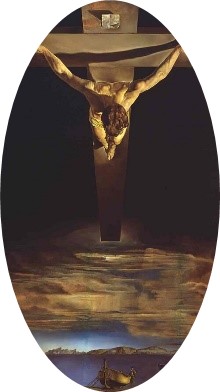
Christ of St John of the Cross
Sharing: Jubilee Year of Saint John of the Cross